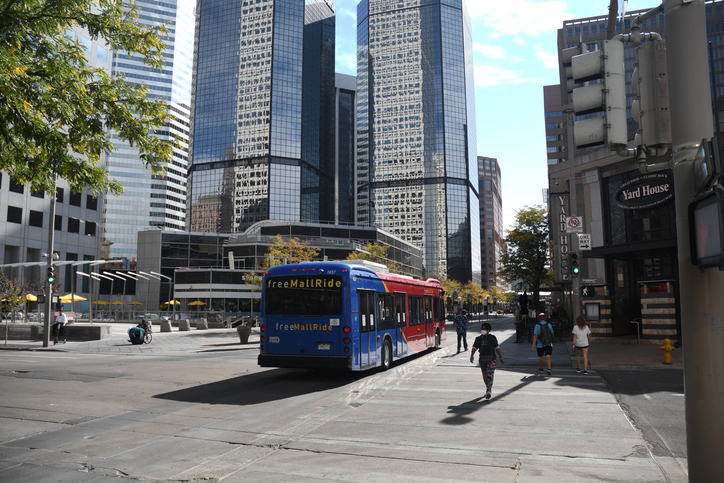
A bus running the 15 on Colfax weighs over 40,000 pounds. So does every RTD coach on Broadway, Federal, and Colorado Boulevard. When one of those vehicles is involved in a crash, whether you’re a passenger, a cyclist, or a driver in the wrong place at the wrong time, the injuries are serious, and the legal process is complex.
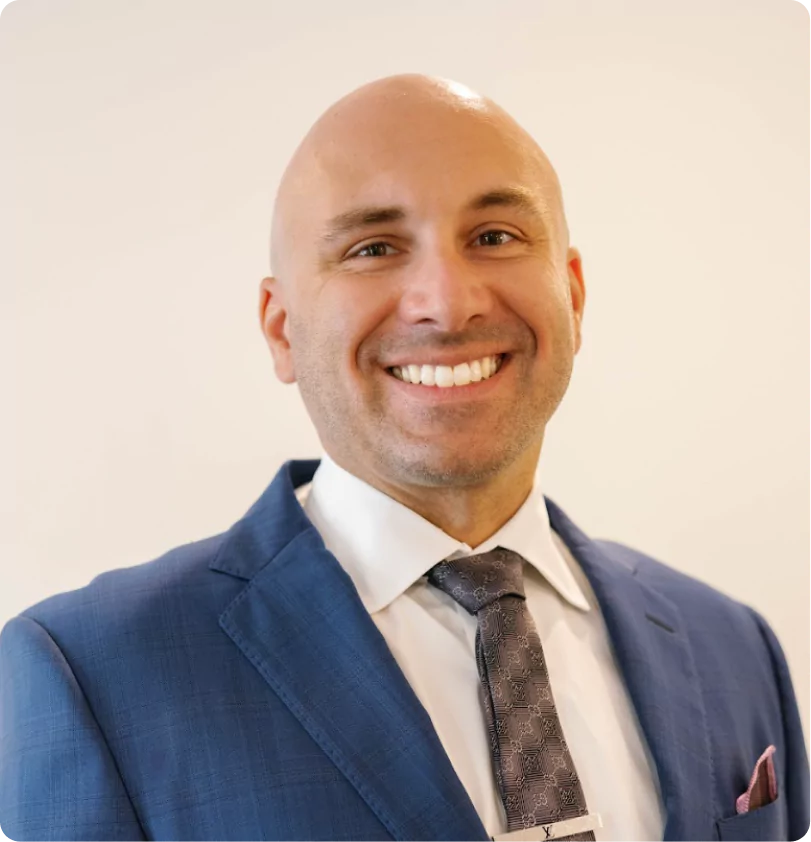
Bus accidents in Denver involve a different set of rules and tighter deadlines. If you were injured, what you do in the days immediately after the accident determines a lot about what you can recover. At Zara Injury Law, Mike Zara has spent nearly 20 years representing injured people across Denver and the surrounding metro.
Call us at (866) 823-8288 for a free consultation.
Why hire Zara Injury Law for a Denver bus accident claim
Bus accident cases aren’t standard personal injury claims. If the Regional Transportation District (RTD) is involved, you’re filing against a government entity with specific procedural rules and a legal team that handles these cases regularly. If a private carrier is involved, you’re dealing with commercial insurance policies designed to minimize payouts. Either way, you need a Denver legal team that understands the specific liability framework these cases involve.
Mike Zara has spent nearly 20 years going up against insurers and government entities on behalf of injured Coloradans. That experience translates directly into knowing the deadlines, the procedures, and the pressure points that move these cases toward fair outcomes.
- No fees unless we win: Contingency fee structure, no exceptions. You owe nothing unless we recover compensation for you.
- 24-hour availability: Bus accident cases are time-sensitive. Evidence gets preserved or lost in the first 48 hours. We move quickly.
- You’ll always know where your case stands: Clients are kept informed throughout every stage of the case
- Multi-state licensing: Mike is licensed in Colorado, Arizona, Georgia, and North Carolina, with a primary practice focused on the Denver metro.
Client testimonials
Types of bus accidents we handle in Denver
Not all bus accidents work the same way legally. The type of bus involved determines who you’re filing against, what insurance applies, and which deadlines govern your claim.
RTD bus accidents
The Regional Transportation District operates over 100 bus routes across Denver and the metro. RTD is a government entity, and that changes everything about how a claim works. You can’t simply file a lawsuit. Colorado’s Governmental Immunity Act requires you to file a written notice of claim before any lawsuit can proceed, and the deadline is strict. If you miss it, your claim is gone regardless of how strong it is.
Private and charter bus accidents
Tour operators, charter companies, Greyhound, and Bustang all operate in Denver. These carriers are private entities, which means standard personal injury rules apply, but they carry commercial insurance policies with experienced adjusters whose job is to minimize what they pay out.
School bus accidents
Denver Public Schools and surrounding districts operate their own fleets. School bus accidents may involve the school district, a government entity, or a private contractor hired to provide transportation. Liability depends on who owned and operated the vehicle at the time of the crash.
Accidents involving buses and other vehicles
You don’t have to be on the bus to have a claim. Cyclists, pedestrians, and drivers hit by a bus have the same right to pursue compensation as passengers. In some cases, liability may be shared between the bus operator and another driver.
Common causes of bus accidents in Denver
Bus accidents rarely happen without a reason. The cases we handle most often involve:
- Driver negligence: Distracted driving, fatigue, speeding, or failure to yield. Bus drivers operate on fixed schedules under pressure to stay on time. That pressure contributes to risk, particularly at busy intersections on routes like Colfax, Federal, and Colorado Boulevard.
- Inadequate driver training: Bus operators are required to hold a Commercial Driver’s License (CDL) and comply with federal Hours of Service regulations. When carriers cut corners on training or allow fatigued drivers to operate, they’re creating liability.
- Poor vehicle maintenance: Brake failures, tire blowouts, and mechanical defects that go unaddressed. Carriers have a legal duty to maintain their fleets. When they don’t, they’re responsible for what happens.
- Dangerous road conditions: Potholes, poor signage, and inadequate infrastructure in high-traffic bus corridors. If a road defect contributed to your accident, the City of Denver or CDOT may share liability.
- Reckless third-party drivers: Buses don’t always cause the accidents they’re involved in. When another driver’s negligence causes a crash that injures bus passengers, that driver and their insurer are the primary target.
Injuries caused by bus accidents in Denver
Buses weigh tens of thousands of pounds and carry passengers with no seatbelts and limited protection. When something goes wrong, the injuries are serious. The most common ones we see include:
- Traumatic brain injury (TBI)
- Spinal cord damage and herniated discs
- Broken bones and fractures
- Whiplash and soft tissue injuries
- Internal organ damage
- Lacerations and road rash for cyclists and pedestrians
- Hip and knee injuries from impact or falls inside the vehicle
- Wrongful death
What to do after a bus accident in Denver
What you do in the hours after a bus accident directly affects what you can recover. Here’s what matters most:
- Seek medical attention immediately: See a doctor the same day, even if your injuries seem minor. Soft tissue damage and TBI symptoms are frequently delayed. Denver Health Medical Center on Bannock Street is the city’s Level I trauma center for serious injuries; same-day urgent care works for everything else. Your medical records are the foundation of your claim.
- Call the police: Get an official incident report filed at the scene. Note the bus number, route number, and operator name if possible. On RTD buses, that information is posted inside the vehicle.
- Document everything: Photograph your injuries, the bus, the surrounding area, and any road conditions that may have contributed. Get contact information from witnesses. If there are nearby businesses or traffic cameras, note their locations, as footage is often deleted within 24 to 72 hours.
- Report the accident to the operator: RTD has an incident reporting process. Private carriers may require notification under their terms of service. Try to do this, but don’t give a detailed recorded statement without an attorney present.
- Call Zara Injury Law immediately: if RTD is involved, the clock starts running the day of your accident. The sooner a Denver bus accident lawyer is involved, the more options you have. Call us any time at (866) 823-8288.
Who is liable in a Denver bus accident?
Liability in a bus accident depends on who operated the vehicle, who caused the crash, and whether any third parties contributed. Potentially liable parties include:
- The bus driver, for negligent operation of the vehicle
- The bus company or operator, for negligent hiring, inadequate training, or poor vehicle maintenance
- RTD, if a publicly operated bus was involved
- A third-party driver, if their negligence caused or contributed to the crash
- A vehicle manufacturer, if a mechanical defect played a role
- The City of Denver or CDOT, if a road defect contributed to the accident
Multiple parties can share fault under Colorado’s modified comparative negligence rules (C.R.S. § 13-21-111). Your recovery is reduced proportionally by your share of fault, but you can still recover as long as you’re not more than 50% responsible.
Proving negligence in a Denver bus accident case
To recover compensation, four elements need to be established:
- Duty: Bus operators, drivers, and government entities owe a legal duty of care to passengers and others on the road.
- Breach: The at-fault party violated that duty through action or inaction.
- Causation: That breach directly caused your injuries.
- Damages: You suffered real, documentable harm as a result.
Bus operators are considered common carriers under Colorado law, which means they’re held to a higher standard of care than ordinary drivers. That standard works in your favor, but only if you can document the breach clearly. We build the evidentiary record that makes that case.
How long do you have to file a bus accident claim in Colorado?
This is where bus accident cases differ most from standard car accident claims.
If RTD is involved: Before you can file a lawsuit against RTD or any Colorado government entity, you must file a written notice of claim under the Colorado Governmental Immunity Act (C.R.S. § 24-10-109). The deadline is 182 days from the date of your injury. Miss that window and your claim is barred entirely, with no exceptions or no extensions.
If a private carrier is involved, Colorado’s standard personal injury statute of limitations applies: three years from the date of injury (C.R.S. § 13-80-101).
If a vehicle defect contributed, the product liability deadline is two years (C.R.S. § 13-80-106).
The 182-day RTD deadline is the one that catches people off guard. Six months feels like a long time until you’re dealing with medical treatment, missed work, and a family disruption, and suddenly it isn’t. Call us as soon as possible after an RTD accident.
Talk to a Denver bus accident attorney today
You’ve got enough to deal with recovering from an injury. Let a Denver bus accident attorney at Zara Injury Law handle the legal fight. There are no fees unless we win, and we’re available right now.
Call (866) 823-8288 or contact us online for a free consultation.
Frequently asked questions about bus accidents in Denver