Denver Truck Accident Attorney

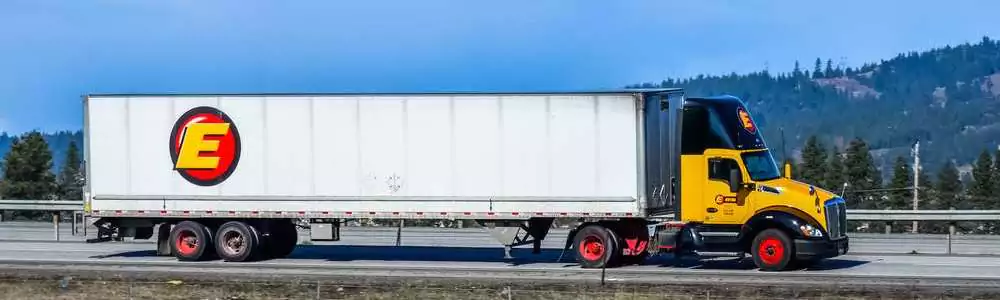
Truck accidents in Denver and across Colorado often result in some of the most serious and life-altering injuries on the road. With major highways like I-25, I-70, and E-470 carrying constant commercial traffic through the metro area, collisions involving semi-trucks, delivery vehicles, and other large commercial carriers are unfortunately all too common. When a fully loaded truck collides with a passenger vehicle, the size and weight difference can leave victims facing extensive medical treatment, lost income, and long-term recovery challenges.
At Zara Injury Law, our Denver truck accident attorneys understand how complex these cases can be. Trucking companies and their insurers move quickly to protect themselves, often sending investigators to the scene immediately and working to limit their liability. We work just as quickly to preserve evidence, investigate what caused the crash, and hold negligent drivers and companies accountable. If you were injured in a truck accident anywhere in Denver or the surrounding Colorado communities, we are here to help you pursue the compensation you deserve. Call (866) 823-8288 to get started today.
Why Zara Injury Law for Your Truck Accident Case?
Zara Injury Law offers 24/7 access to our clients. We have recovered millions in damages for our injury victims. We pride ourselves on our commitment to Colorado injury victims, as demonstrated through the following:
- Familiarity with Denver courts and judges
- Knowledge of local rules and procedures
- Relationships with the local legal community
- Strategic advantage in Colorado courtrooms
- Commitment to the Denver community
Choosing Zara Injury Law means partnering with a team with unparalleled local knowledge of the Denver and surrounding Colorado court systems. Our familiarity with local courts, judges, and procedures provides a strategic advantage in handling truck accident cases. We leverage this local expertise to navigate the legal landscape efficiently, advocate for our clients, and secure the best possible outcomes.
Denver’s Most Common Types of Truck Accidents
There are many ways in which a Denver truck accident can happen:
- Rear-end collisions: These collisions involve a truck crashing into the vehicle in front of it. Due to trucks’ weight, they can be particularly destructive.
- Head-on collisions: Head-on collisions occur when a truck’s front end crashes into another vehicle’s front end. These accidents are often catastrophic.
- Underride accidents: Underride accidents occur when a smaller vehicle slides underneath the rear or side of a truck. Due to the mismatch in vehicle size, these accidents are often fatal.
- Jackknife accidents: A jackknife accident occurs when the truck’s trailer swings out to one side, forming a 90-degree angle with the cab. This often resembles the folding of a pocketknife, hence the name.
- Rollover accidents: A rollover accident occurs when a truck tips over onto its side or roof. This type of accident can be extremely dangerous due to the size and weight of the vehicle.
- Blind spot accidents: Blind spot accidents, or “no-zone” accidents, happen when a truck driver cannot see other vehicles due to the truck’s large blind spots.
- T-bone accidents: T-bone accidents, or side-impact collisions, occur when the front of a truck crashes into the side of another vehicle.
- Wide turn accidents: Wide turn accidents happen when a truck makes a wide right or left turn and collides with other vehicles or objects.
- Cargo-related accidents: Cargo-related accidents occur due to issues with the truck’s load, such as shifting cargo, spills, or overloaded trucks.
Steps to Take After a Truck Crash
Once you are safely home and out of immediate danger, the steps you take after a truck accident in Denver can play an important role in protecting both your health and your potential injury claim. Trucking companies and insurers often begin building their defense right away, so it’s important to start protecting your own case as soon as possible.
Start by following up with medical care, even if you were already treated at the scene or in the emergency room. Some injuries from truck accidents on highways like I-25 or I-70 in Denver may not fully appear until hours or days later, and consistent treatment helps document the full extent of your injuries.
Next, gather and organize any information you have from the crash, including photos, police reports, driver and insurance details, and contact information for witnesses. If you are physically able, write down everything you remember about how the crash happened while the details are still fresh.
It’s also important to notify your own insurance company, but be cautious when speaking with adjusters from any insurance carrier. Avoid giving recorded statements or accepting early settlement offers before you understand the full impact of your injuries and losses.
Finally, consider speaking with a Denver truck accident attorney as soon as possible. Trucking cases often involve complex federal regulations, multiple insurance policies, and aggressive defense tactics, and having legal representation early can make a significant difference in the outcome of your claim.
Common Truck Accident Injuries in Denver
- Traumatic brain injuries (TBIs): TBIs occur when the brain is damaged due to a blow or jolt to the head. In truck accidents, TBIs can occur when the victim’s head strikes an object inside the vehicle or when the brain is shaken inside the skull due to the force of the impact.
- Spinal cord injuries: Spinal cord injuries can occur when the spinal cord is damaged due to the impact of a truck accident. This type of injury can lead to paralysis or loss of sensation in the affected area.
- Broken bones: Broken bones are a common injury in truck accidents due to the force of the impact. Victims can suffer fractures to the arms, legs, ribs, or pelvis.
- Burns: These can occur when a vehicle catches fire or the victim encounters hot surfaces or chemicals. Burns can be severe and may require extensive medical treatment.
- Internal injuries: Internal injuries can occur when the internal organs are damaged due to the impact of a truck accident. This type of injury can be life-threatening and may require emergency medical treatment.
- Whiplash: This is a neck injury caused by sudden jerking forward and backward of the head. It can damage the neck muscles, ligaments, and nerves.
- Post-traumatic stress disorder (PTSD): Truck accidents can cause psychological trauma, leading to PTSD. Symptoms can include anxiety, depression, flashbacks, and nightmares.
How to Prove Negligence in a Denver Truck Accident
Proving negligence in a Denver truck accident case requires showing that one or more parties acted carelessly or failed to follow required safety standards, and that this failure directly caused the crash and your injuries. Because commercial trucking is heavily regulated and often involves multiple companies, these cases can be more complex than standard car accident claims.
Several key factors are typically involved in proving negligence, including whether the truck driver was speeding, distracted, fatigued, or impaired at the time of the crash. Violations of federal trucking regulations, such as hours-of-service rules designed to prevent overworked drivers, can also play a major role in establishing fault.
Negligence may also extend beyond the driver to the trucking company if it failed to properly train drivers, enforce safety protocols, or maintain its fleet. In some cases, third parties such as cargo loaders or maintenance providers may also share responsibility if improper loading or mechanical failures contributed to the accident.
To build a strong case, evidence such as black box data, driver logs, maintenance records, GPS tracking, witness statements, and accident reconstruction reports is often crucial. An experienced Denver truck accident attorney can help preserve this evidence and identify all liable parties to pursue full compensation.
The Colorado Statute of Limitations for Truck Accidents
In Colorado, most truck accident injury claims are subject to a statute of limitations of two years from the date of the crash, meaning you generally must file a lawsuit within that timeframe to preserve your right to seek compensation. However, certain circumstances—such as claims involving government entities or specific procedural issues—can shorten or otherwise impact this deadline, making it important to act quickly after a Denver truck accident. Because trucking cases often involve extensive investigation and multiple liable parties, contacting a Denver truck accident attorney as soon as possible can help ensure critical evidence is preserved and all deadlines are met.
Potential Compensation Available After a Truck Accident
In Colorado truck accident cases, injured victims may be entitled to recover both economic and non-economic damages depending on the severity of their injuries and the circumstances of the crash. The goal of compensation is to help restore what was lost financially and address the physical and emotional impact of the accident.
Common types of compensation in a Denver truck accident claim include:
- Medical expenses: Coverage for emergency care, hospital stays, surgeries, rehabilitation, prescription medications, and future medical treatment related to the crash.
- Lost wages: Compensation for income lost while recovering from your injuries, including missed work days, reduced hours, and time off for medical appointments.
- Loss of earning capacity: If your injuries prevent you from returning to your previous job or limit your ability to earn income in the future, you may be entitled to additional damages.
- Pain and suffering: Damages for the physical pain, emotional distress, and mental anguish caused by the accident and resulting injuries.
- Loss of enjoyment of life: Compensation for the impact your injuries have on your ability to participate in daily activities, hobbies, and relationships.
- Property damage: Reimbursement for repairs or replacement of your vehicle and any other personal property damaged in the crash.
- Wrongful death damages (if applicable): In fatal truck accident cases, surviving family members may recover funeral and burial expenses, loss of financial support, and loss of companionship.
Because Colorado follows a modified comparative negligence system, your total compensation may be reduced if you are found partially at fault for the accident. An experienced Denver truck accident attorney can evaluate your case and help pursue the full value of your claim.
Federal Trucking Regulations and Your Case in Denver
Truck accident cases in Denver often involve more than just state traffic laws—they are also governed by strict federal regulations set by the Federal Motor Carrier Safety Administration (FMCSA). These rules are designed to keep commercial trucks operating safely on highways like I-25, I-70, and across Colorado by limiting driver fatigue, requiring regular vehicle inspections, and enforcing strict safety standards for trucking companies.
When a truck driver or trucking company violates these federal regulations, it can be strong evidence of negligence in your case. Common violations include exceeding hours-of-service limits, failing to maintain proper logbooks, skipping required maintenance inspections, or allowing improperly secured or overloaded cargo. These violations can significantly increase the risk of serious accidents involving passenger vehicles.
Because trucking companies are required to keep detailed records such as driver logs, black box data, and maintenance histories, these materials often become critical evidence in a truck accident claim. An experienced Denver truck accident attorney can help obtain and analyze this information to determine whether federal safety violations played a role in your crash and to build a stronger case for compensation.
Contact Zara Injury Law Today About Your Truck Accident Case
If you were injured in a truck accident anywhere in Denver or along Colorado’s busy highway corridors, you don’t have to take on the trucking company or their insurers alone. These cases move quickly, and critical evidence can disappear without prompt legal action.
At Zara Injury Law, our Denver truck accident attorneys are ready to investigate your crash, preserve key evidence like driver logs and black box data, and pursue full compensation for your injuries and losses. We understand how devastating truck collisions can be and are committed to helping you move forward.
Call (866) 823-8288 today or use our online contact form to schedule your free consultation and speak with our team about your case.
Frequently Asked Questions About Denver Truck Accidents
Most Denver truck accident lawyers work on a contingency fee basis, meaning you do not pay any upfront costs. Instead, the attorney is paid a percentage of the settlement or verdict only if they successfully recover compensation for you.
Many truck accident cases are resolved through settlement negotiations, but some do go to trial if the trucking company or insurer refuses to offer fair compensation. The strength of the evidence often determines how the case is resolved.
Colorado follows a modified comparative negligence rule, which means you may still recover compensation as long as you were less than 50% at fault. However, your total recovery may be reduced based on your percentage of fault.
Truck accident cases often involve multiple parties, including drivers, trucking companies, cargo loaders, and maintenance providers. They are also governed by federal regulations and typically require detailed evidence like driver logs, maintenance records, and electronic data.
You should be cautious when speaking with the trucking company’s insurer. They may try to obtain a recorded statement or settle quickly for less than your case is worth. It is usually best to consult with an attorney before providing any detailed information.
A truck’s “black box,” also known as an electronic control module (ECM), records important data such as speed, braking, and engine performance before and during a crash. This information can be critical in reconstructing the accident and proving liability.