
Crashes involving self-driving and driver-assist technology are being reported more often as these features become more common on the road. That increase doesn’t automatically mean the technology is unsafe. In many cases, it reflects how widely these systems are now used in everyday driving.
When a crash involves an automated vehicle and a human-driven car, figuring out who is responsible can be more complicated than in a typical accident. Fault may depend on driver behavior or whether the system worked as it should. In some cases, you and your Denver car accident lawyer may need to look at both human error and possible technology failures to pursue compensation.
What causes self-driving car accidents?
Crashes involving self-driving or driver-assist technology usually happen because of a mix of system limitations and human behavior. Fully automated vehicles are not yet widely available for consumer use, in part because current systems still struggle with complex, unpredictable traffic situations. These systems can hesitate or misinterpret conditions that a human driver would respond to more quickly.
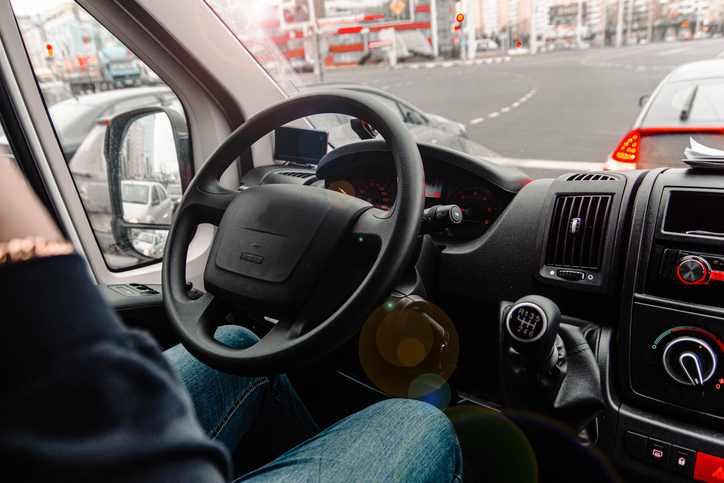
Most vehicles people think of as “self-driving” actually use Advanced Driver Assistance Systems (ADAS). These features can help with steering, braking, and speed, but they still require the driver to stay alert and in control. Many reported crashes involved drivers who relied too heavily on these systems or who were not paying close attention to the road.
Who is liable for self-driving vehicle accidents?
If human error was a contributing factor to the crash (and right now, all vehicles must still have a human operator, so human error will usually be a factor), that individual would be liable for the victims’ damages. Overreliance on ADAS and other assistive technologies can be considered a form of human error.
However, if the accident was due to malfunctioning automation technology or safety features, or if the human operator was unable to disengage the automation in time to prevent a collision, then the vehicle’s manufacturer or software designer could share in liability for the crash.
A thorough investigation into the cause of the crash, including a full investigation into the activity of any automated features, is usually necessary to properly assign fault after a crash.
Manufacturers of vehicles with ADAS and those designing and manufacturing vehicles with fully automated driving technology have the same responsibilities for consumer safety as any other vehicle manufacturer. Negligence in the manufacturing process, a design flaw that makes the vehicle inherently unsafe, failure to properly test the technology and software, and failure to prevent the vehicle’s safety software from being compromised are all forms of negligence. The vehicle designer, manufacturer, and other parties who failed to take reasonable steps to ensure the vehicle was road-safe can be held liable for causing the wreck.
That said, even vehicles with ADAS require a human operator to oversee operations and safety. Even when automation malfunctions, these systems rely on human operators to monitor vehicle performance and intervene when necessary.
Getting help after a self-driving car accident
Self-driving and driver-assist technology can complicate car accident claims. In some cases, both human error and vehicle technology play a role. A lawyer can help sort through those details, determine liability, and guide you through the next steps. If you have questions about your situation, call us at (866) 823-8288 or contact us online to schedule a free consultation.