
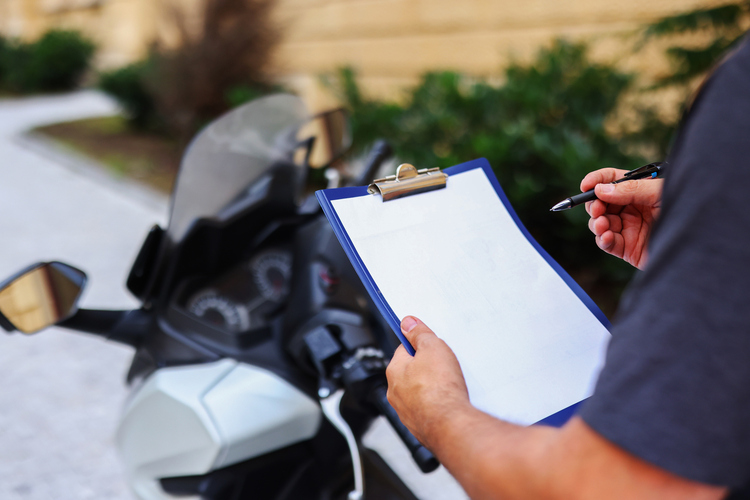
To avoid the risk of future injury after you’ve been in a motorcycle accident, you should thoroughly inspect your bike for potential damage. This includes the brakes, steering, connectors, and tubing. Don’t ride again until an inspection confirms your motorcycle is safe because hidden damage could increase the risk of another crash. A Denver motorcycle accident lawyer can explain what to check after a motorcycle crash and help with insurance and injury claims
Check for fuel, oil, and transmission fluid leaks
Accidents happen in the blink of an eye, and your primary concern is your personal well-being. If you just lay the bike down and skid, you may think there’s only cosmetic damage, but tubing and fluid lines can be quickly severed or damaged in any crash. Never ride your bike home from a wreck, and pay careful attention to your fuel, oil, and transmission fluid systems.
Examine the tank for damage or leaks. If you smell gasoline, keep the bike away from all ignition sources until it’s repaired and cleaned up. Transport it, don’t ride it, to a repair shop right away.
Oil and transmission leaks can cause the bike to lock up or fail while riding, so replace these lines and seal all areas where fluid is escaping.
Examine the electrical systems
A damaged battery can leak acid onto other bike components, causing further problems. It can also burn skin, so wear gloves and don’t allow other people to touch the area without them. Assess the wiring, connectors, and fuses, and have defective components repaired or replaced before riding again.
Without a working electrical system, your lights and turn indicators may not work properly, putting you at risk of another crash.
Inspect the frame, suspension, tires, chain, and wheels
Go over every part of the frame, including the forks, and pay close attention to the suspension. Walk the bike while you’re astride it to assess whether it handles properly, or if you experience any pulling or hear noises from the wheels. Check the wheels for any dents or bends, which can puncture the tires and cause a blowout while riding.
Examine the chain and sprockets for damage and ensure that they fit correctly. Check the tires for leaks or cuts and replace them if they are worn or punctured. Avoid quick-fix repair products that may not fully restore tire safety.
Make sure your brakes are trustworthy
If your brakes are questionable after a crash, you could put yourself at tremendous risk of injury if you don’t take time to fix them. Check the brakes by squeezing the lever to test whether they feel spongy or too soft.
If they are worn, replace the brake pads and discs. Drain the lines to eliminate any air, which can cause failure when riding.
Identify any remaining problems and repair them right away
Once you’ve taken care of the most crucial concerns, check the mirrors for cracks, the lights for flickering, and the body for damage. Broken mirrors can send sharp pieces flying at you while riding, and losing your headlight at night could prevent another motorist from seeing you in time to avoid a wreck.
Although it may be cosmetic, damage to fairings and body panels can still be a problem. If the pieces come loose or lodge in other parts of the motorcycle, it can cause an accident. Listen closely to the bike when it’s running for any noises that might indicate loose parts or broken components. It is also important to seek medical care after a motorcycle accident, as injuries may not be immediately visible.
While you may be able to perform some repairs on your own, it’s smart to take your bike to a service professional for a thorough check in the event you overlook something. Without a metal box to keep you safe like passenger cars, you need to be sure of your motorcycle’s integrity before you get back on the road.
Check that you’re mentally ready to ride again
Riding a motorcycle requires focus and alertness, and being sharp can be difficult if you’re in pain or have suffered serious injuries. Many riders suffer PTSD after a motorcycle accident, so get the help you need from mental health and other professionals. Remember to wait until medical professionals say you are cleared to ride and you feel fully focused and confident.
Contact Zara Injury Law after your motorcycle accident
In Colorado, all drivers must carry liability insurance, meaning you could be eligible to seek compensation for your injuries and damage after a motorcycle crash. If you’re severely hurt, filing insurance claims can be overwhelming without professional guidance. Our Colorado motorcycle accident attorneys are dedicated to helping you recover fully, regardless of the cause of your crash.
You only have three years to file a lawsuit under Colorado Revised Statutes Section 13-80-102 (2024), and negotiating with insurance providers can take much of that time. Don’t delay getting the help you need from an experienced team that is on your side. Call (866) 823-8288 and schedule a free consultation with a Denver motorcycle accident lawyer today.